March 3 Labor & Employment, Sexual Harassment
What Are My Rights If My Employer Keeps Ignoring My Complaints?
Filing a formal complaint about workplace harassment or discrimination takes significant courage. When an employer greets that courage with silence, it often feels discouraging and isolating for the employee involved. However, management cannot simply sweep these serious issues under the rug without consequence. Employers maintain a legal responsibility to address specific complaints promptly and effectively.
If your company ignores your report, you have clear legal options to protect yourself and your career. The Law Office of Mitchell A. Kline helps employees in the Chicago area understand their protections and take necessary action against workplace injustice.
- Employers must investigate specific claims of harassment and discrimination.
- Silence or inaction from management may contribute to a hostile work environment.
- You must document every interaction regarding your report to build a case.
- External agencies like the EEOC provide a path for escalation when internal channels fail.
Does My Employer Have A Duty To Respond?
Under federal laws like Title VII of the Civil Rights Act and state regulations like the Illinois Human Rights Act, employers must act when they know about harassment or discrimination. They cannot legally ignore a complaint simply because they find it inconvenient. Once an employee provides notice of illegal conduct, the law generally requires the employer to investigate the matter and take prompt remedial action to stop the behavior.
If a manager or HR representative fails to investigate, they may be complicit in maintaining a hostile work environment. Their inaction signals that they tolerate the behavior, which can increase their liability in a courtroom. You do not have to accept their silence as a final answer.
Is My Employer Retaliating Against Me?
Sometimes, an employer does not just ignore a complaint; they punish the employee for making it. Retaliation is illegal, yet it remains a common reaction to workplace reports. Retaliation does not always look like immediate termination. It often appears as subtle shifts in how management treats you.
Watch for these common signs of retaliation:
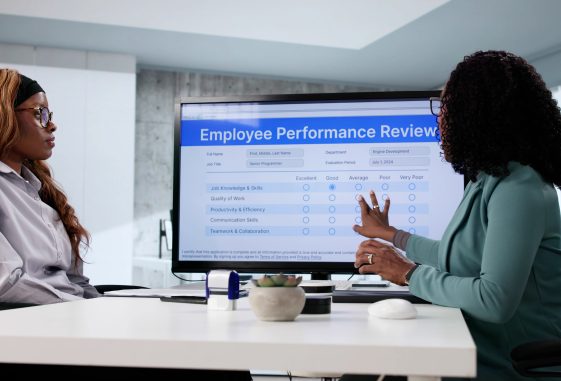
- Sudden negative performance reviews following your report.
- Unexplained changes to your shift, hours or work location.
- Exclusion from meetings you usually attend.
- Reduction in responsibilities or meaningful work.
- Hostility from supervisors who were previously friendly.
If you notice these behaviors after submitting a complaint, your employer may be breaking the law.
How Should I Document Unresolved Complaints?
If your employer continues to ignore you, you need proof. Documentation serves as your strongest weapon in any legal dispute. It turns a “he-said, she-said” situation into a verifiable timeline of negligence. Do not rely on verbal conversations alone, as people can deny these later.
Follow these steps to create a solid record:
- Submit complaints in writing: Always send reports via email or certified mail. If you have a verbal conversation, send a follow-up email summarizing what you discussed to create a paper trail.
- Keep a detailed journal: Record dates, times, witnesses, and specific details of the harassment and your attempts to report it.
- Save responses: Keep copies of any responses (or lack thereof) from HR or management.
- Request your personnel file: In Illinois, you have the right to review your personnel documents. Check if your employer actually filed your complaint.
When Should I Escalate My Complaint Externally?
You should not wait indefinitely for your employer to do the right thing. If you followed internal procedures and management failed to address the issue, you may need to look outside the company. Escalating the matter to a government agency is often the next logical step.
You can file a charge of discrimination with:
- The Equal Employment Opportunity Commission (EEOC): This federal agency enforces laws against workplace discrimination.
- The Illinois Department of Human Rights (IDHR): This state agency investigates charges of human rights violations in Illinois.
These agencies can investigate your claims and may issue a “Right to Sue” letter, which allows you to take your case to federal or state court. Having a knowledgeable attorney assist you during this process can make a significant difference in the outcome.
Protect Your Rights With an Employment Law Attorney
You deserve a safe workplace free from harassment and discrimination. If your employer refuses to listen, you need a legal team that will make them hear you. The Law Office of Mitchell A. Kline focuses on fighting for the rights of employees in the Chicago area. We understand the stress of these situations and work tirelessly to secure the dignity and compensation you deserve. Contact us today to discuss your case and determine your next steps.
Posts You May Like